hakira's "Waka Waka (This Time for Africa)" music video for the 2010 World Cup isn't just a catchy tune—it's a masterclass in blending football frenzy with African rhythms. You can learn a lot from how it was shot, styled, and edited。whether you're a budding videographer or just curious about why it stuck in your head for months. Let's break down the 2010 World Cup theme song music video piece by piece, so you can spot the craft behind the spectacle.First, watch the opening sequence: a lone boy kicking a ball in a dusty township, then quick cuts to street dancers in colorful gear. That's no accident. The director, René Pérez (of Calle 13), deliberately contrasts intimate human moments with explosive group energy. If you're studying the 2010 World Cup theme song music video, note how the camera stays low and handheld during solo shots。
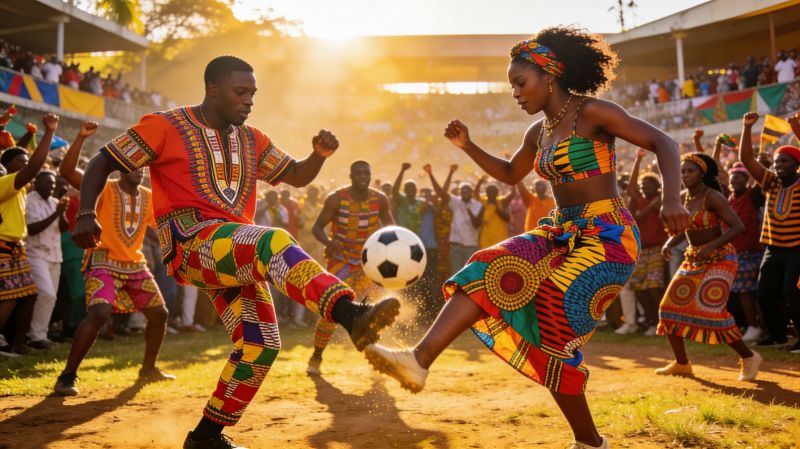
then switches to wide, steady angles for crowd scenes. This mirrors the tournament's global scale while keeping it personal. Try replicating that rhythm in your own edits—alternate tight close-ups with sweeping panoramas to build momentum.The choreography deserves a closer look. Shakira and Freshlyground's collaboration means you get both Latin pop flair and South African guitar lines. In the video, dancers mix samba-like steps with local gumboot moves. That fusion is the secret sauce. When you rewatch the 2010 World Cup theme song music video。pay attention to the background dancers—they're not just filler. Each group represents a different region, from township streets to beachside parties. For a practical takeaway: if you're planning a music video with a global theme, cast real people from diverse backgrounds instead of relying on stock footage. Authenticity sells the vibe.Lighting and color grading also do heavy lifting. The video bounces between sun-drenched outdoor scenes and neon-lit night parties. Notice how the daytime shots have a warm, golden hue, while night sequences pop with saturated blues and reds. That's a deliberate choice to evoke both African landscapes and urban nightlife. If you're editing your own project。use a similar split-tone look: warm highlights for outdoor energy, cool shadows for club scenes. The 2010 World Cup theme song music video rarely uses flat lighting;every frame feels alive, so avoid default filters and tweak contrast manually.Finally, the cameo appearances—from football stars to local musicians—are woven in without feeling forced. They appear mid-dance, mid-kick, not posed. That casual integration is harder than it looks. Next time you watch the 2010 World Cup theme song music video, count how many times a famous face shows up in the background rather than the foreground. It keeps the focus on the music and movement. Practical tip: when shooting a cameo-heavy video, let celebrities act like regular participants. No spotlight, no slow-motion entrance. Just blend them into the crowd. That's how you make a theme song video feel like a celebration。
not a commercial.